

A late-night programming decision created demand for a specific kind of record, and artists supplied it.
Quiet Storm began as a radio format – a late-night block of slow, smooth soul – and ended up defining how a generation of R&B records were written and produced.
You can listen to our full playlist which contains the artist’s music, and know more about the artist’s work by scrolling down the page.

PLAYLIST
A Programming Decision Created a Genre
Quiet Storm began as a radio format — a late-night block of slow, smooth, largely romantic R&B intended to suit the listening conditions of that hour.
The format proved commercially successful and spread across stations, which created steady demand for records with specific characteristics: mid-to-slow tempos, restrained arrangements and a consistent mood.
Artists and labels supplied what the format needed, and within a few years the programming category had produced a recognisable body of music that existed largely because the airtime existed.
The Requirements Were Specific
What the format needed was unusually well defined, which is why the resulting records are so consistent.
Tempos had to stay in a narrow band, since the block’s value was uninterrupted mood and a sudden change in pace broke it. Arrangements had to avoid abrupt dynamics for the same reason.
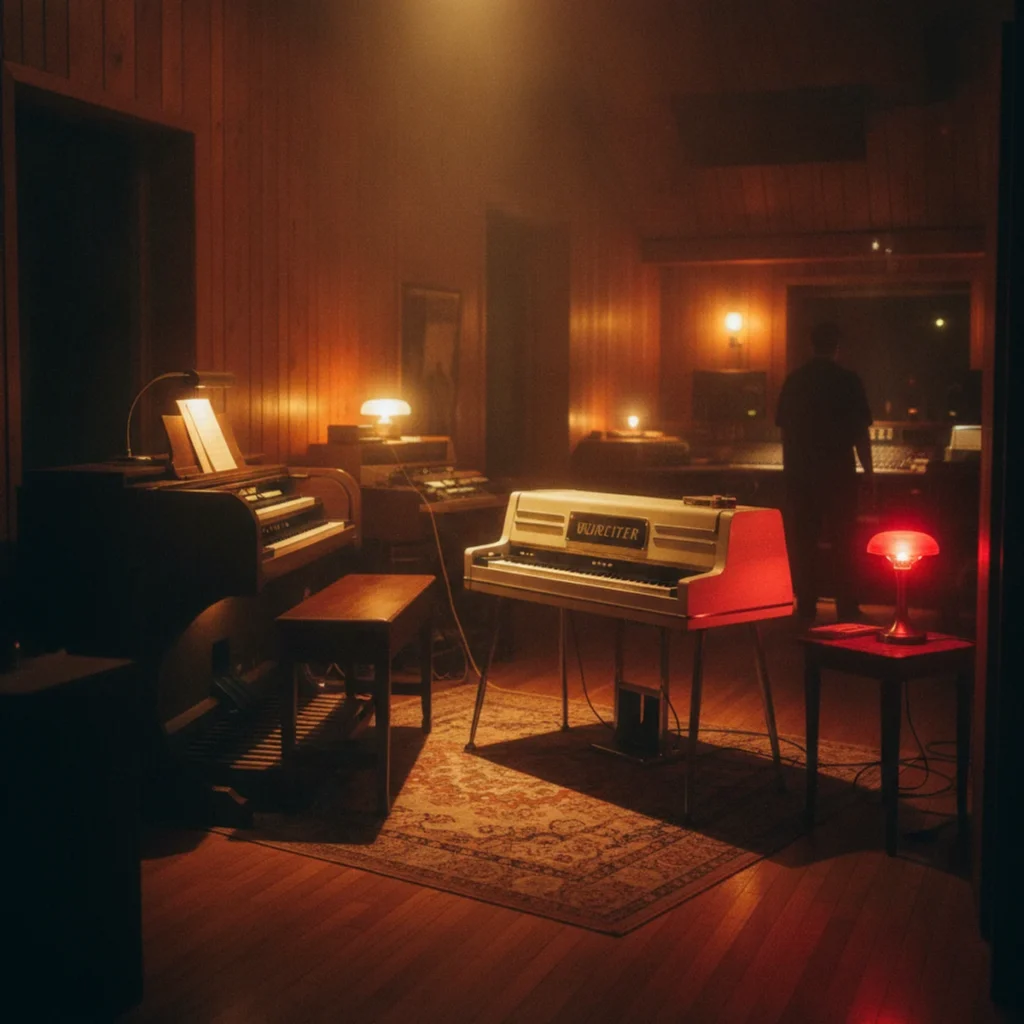
Production favoured smooth textures — electric piano, fretless bass, soft horn and string arrangements, brushed or lightly played drums — and vocals were delivered with restraint rather than gospel-derived intensity.
The format also created a specific commercial slot for older artists. Vocalists past their chart years found consistent airplay in a category that valued craft and restraint over novelty, which extended a number of careers materially.

Consistency Was the Product
The format’s commercial logic depended on listeners leaving the radio on for hours, which made continuity more valuable than any individual record standing out.
That inverted the usual incentive. Rather than competing for attention, a record needed to sit comfortably alongside everything around it, which rewarded refinement over distinctiveness.
It also meant programmers effectively specified an aesthetic, and artists who met it received consistent airplay across a national network of stations.
It Sustained Careers Differently
Because the format valued reliability, it supported a particular kind of career that the singles chart did not.
Artists who consistently delivered records fitting the format could achieve steady, long-term airplay and album sales without ever producing a major chart single, which is an unusual commercial position.
That gave a number of vocalists durable careers built on a defined audience rather than on hits, and it made the format genuinely important economically rather than merely stylistically.
Advertising economics reinforced the aesthetic. A late-night block with a stable, affluent audience was attractive to specific advertisers, and preserving that audience meant preserving the mood, which fed back into what got played.

The Criticism Has Some Force
The format attracted a consistent objection: that it smoothed the music, removing the grit, dynamic range and emotional extremity that R&B derived from gospel.
There is something to that. A programming category defined by not disrupting a mood necessarily selects against the most intense performances, and some of what makes soul singing powerful was filtered out.
The counter-argument is that restraint is a legitimate expressive mode rather than an absence of one, and the best records in the format demonstrate considerable control rather than a lack of capability.
The Influence Outlived the Format
Radio programming changed and the specific block declined, and the aesthetic it produced did not disappear.
Its production values — smooth textures, restrained vocals, mid-tempo arrangements built for sustained listening — remain audible across contemporary R&B, and the mood-based sequencing it pioneered is now how streaming playlists are constructed.
That last point is the interesting one. The format’s core insight, that listeners want a consistent mood maintained across a long session rather than a sequence of individually striking records, is exactly the principle contemporary playlisting runs on.
Its clearest descendant is the mood-based streaming playlist, which uses the same principle – consistency of feel over individual distinctiveness – and reaches an audience many times larger.












About The Author





More Stories
Afrobeat to Afrobeats: One Letter, Two Genres
The Funk Pocket, Explained
Dub, Sound System Culture, and What Hip-Hop Took