

Ate by Kick 5000: How Baltimore Club Built a Faster Pocket for a Carol City Rapper
A Carol City Rapper Sets His Punchlines to a Rhythm Descended From Baltimore Club
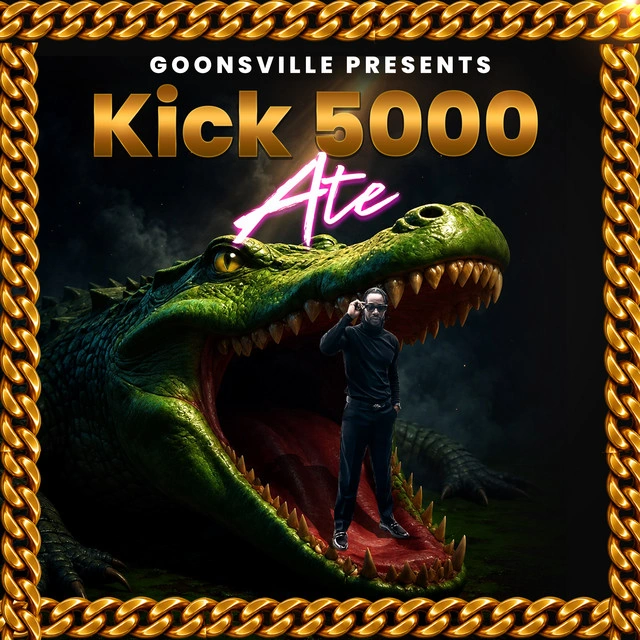
Ate, the August 2026 single from Kick 5000, runs on a Baltimore club drill beat. That is the brisk mix of breakbeat and house that has fed club rap for more than three decades. The Carol City rapper treats the single as an experiment beyond trap. As a result, it sits in a lineage that runs from Baltimore through Newark to the Bronx.
Kick 5000’s Ate is in the playlist below, and his full coverage history sits on the Kick 5000 artist profile. Ate reached this desk through PopHits.Co Music Charts, which verifies independent artists and places their releases across its network of music news titles. Give it a spin, then read on for the lineage behind it.

Baltimore Club, Jersey Club and Drill Met at Dance Tempo Long Before Kick 5000 Recorded Ate
The wave behind Ate starts in Baltimore. In the early 1990s, DJs there built Baltimore club by fusing breakbeats with house music. The tempo ran high, as fast as 140 beats per minute. It was music for dancers first, and it rewarded anyone who could keep up with it.
The sound then travelled up the coast. According to XXL, Jersey club began in 1999 with DJ Tameil. He played Baltimore club records in Newark and pushed them in his own direction. Newark took the rhythm, sped it up and made it local. In that way, a regional dance style became a template other cities could borrow.

Drill, meanwhile, arrived from the other direction. The style started in Chicago in the early 2010s. Later in the decade it reached New York, where Brooklyn and Bronx rappers made it their own. Eventually, the two lines crossed. New York drill rappers began rhyming over Jersey club drum patterns, and a hard vocal style found a faster pocket.
That crossover is the wave Ate belongs to. Club drill keeps the attack of a drill verse. However, it trades the half-time trap feel for a kick that keeps moving. As a result, every line has to land on a grid built for dancing. A rapper who writes in punchlines has fewer places to hide.

Where Kick 5000 Fits, a Carol City Storyteller Rapping Punchlines Over a Faster Beat on Ate
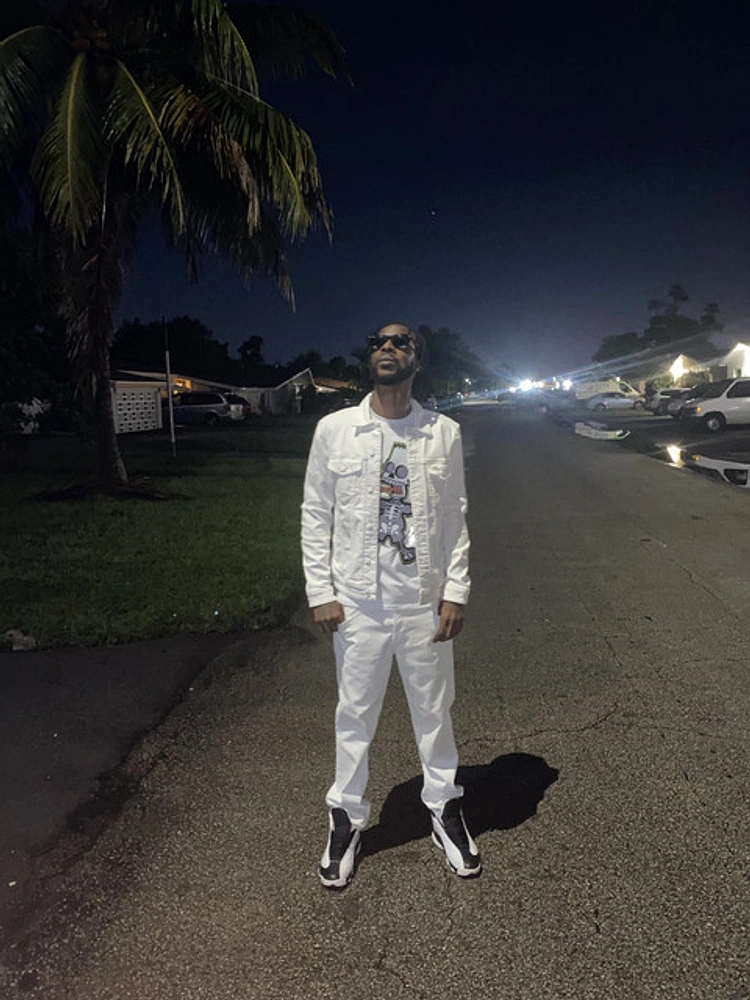
Kick 5000 comes to that wave from Carol City, Florida. There, he helped form a local rap group called The Goons. In a 2021 profile, Music Observer described a four-member crew that pushed each other to improve. It also described a young rapper who recited his friends’ rhymes before he wrote his own. Later, an A&R told him to sharpen his lyrics, and he went back to work on them.
Since then, his catalogue has moved across hip-hop, R&B and reggae, mixing metaphors and punchlines with melodic structures. He releases through Goonsville Entertainment, and the same profile notes that he also draws, paints and designs custom pieces. In other words, the visual side and the music come from the same hands.
Ate Steps Outside the Trap Pocket Kick 5000 Usually Raps Over
Ate is a deliberate step outside his usual pocket. Kick 5000 describes the single as an experiment with beats other than trap, and one that worked. Making it, he says, felt closer to a house hip-hop record. Moreover, he prefers rapping on up-tempo beats, because the speed supports the punchlines he lands on the beat.
The writing, however, stays at home. The verses tell stories about life and times in Miami. So the subject matter is pure Florida, while the rhythm is descended from Baltimore. That pairing gives the record its identity. At three minutes and three seconds, it also keeps to a tight club running time.
Adjacent Acts From Miami Bass to Bronx Drill Who Share the Pocket of Ate
Two adjacent acts make the lineage easier to hear.
2 Live Crew are the Miami precedent. The group formed in Miami in 1984 and became pioneers of Miami bass. That fast, bass-heavy party sound shaped Southern hip-hop. Above all, Ate is a reminder that Miami rap has always carried a club-tempo side. Kick 5000 is taking that tradition into a newer rhythm.
Sha EK is the drill precedent. The Bronx rapper released his major-label debut mixtape, Face of the What, in 2022. XXL has described him as a drill artist who is comfortable in the world of Jersey club. His records show how a drill delivery holds up at club speed. That is exactly the problem Ate sets out to solve from a Florida angle.
For listeners who already follow club rap, therefore, Ate slots between those two reference points. For listeners who know Kick 5000 from his trap records, it shows that his punchlines travel at speed.
BlackSounds.News’s curator team: “Ate is a rap single a club DJ can drop between Baltimore club records without losing the floor. Kick 5000 wrote his punchlines around the kick rather than on top of it.”
Follow Kick 5000 across platforms: Spotify, Apple Music, Tidal, Deezer, SoundCloud, YouTube, Instagram, X, Facebook, and Linktree. His official website carries the rest.









About The Author




More Stories
Why Vibe Check Still Matters: djinn. and the Lo-Fi Line From Neo-Soul to Alternative R&B
Why Vent by Milo Kobayashi Still Matters to Self-Produced, Autotuned Boom Bap
Aches and Echoes by Geedo: The Line From Hidden Pain to Hope