

The Line From T-Pain to Zodic, and What Fall in Luv (ReEdit) Carries
How A Valentine’s ReEdit Puts A Melodic Rap Lineage Back in Play
Play the first eight bars of Fall In Luv (ReEdit) and the reference is immediate. Zodic pitches, stacks and treats the vocal, and it does the melodic work a sung hook would normally carry. Zodic released the ReEdit on 11 February 2026, timed to Valentine’s week, and built it on a lineage now twenty years deep in American rap.
Zodic’s music is in the playlist below, and the full run of coverage sits on the Zodic profile. Fall In Luv (ReEdit) reached this desk through PopHits.Co Music Charts, which verifies independent artists and places their releases across its network of music news sites. Press play, then read on.

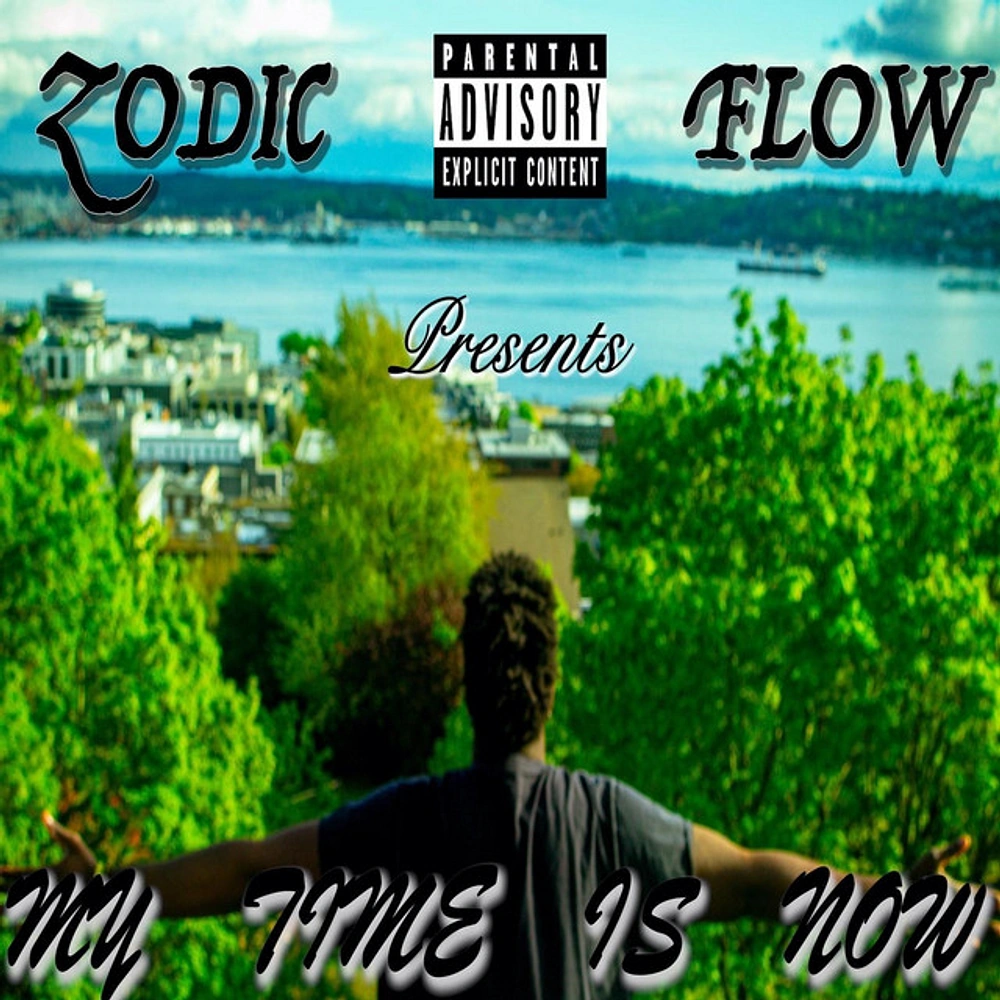
The Autotune Wave That Ran From T-Pain Through 808s And Heartbreak
The wave has a clear starting point. T-Pain spent the middle of the 2000s arguing, against most of the industry, that pitch correction was an instrument rather than a repair tool. The industry mocked him for it, then copied him. Kanye West took the same processing somewhere colder on 808s & Heartbreak in 2008 and proved it could carry grief as easily as a club record.
What followed was not a trend so much as a permanent addition to the toolkit. By the middle of the 2010s the treated vocal had stopped being a statement. A generation of rappers came up never having known a version of the form where singing and rapping were separate jobs.
That is the line Fall In Luv (ReEdit) stands on. The track is unembarrassed about the processing, and it uses it for the purpose the wave established. It lets a rapper deliver a love song without switching into a different voice to do it.

Where Zodic Sits On That Line, And The Acts Standing Nearest
Zodic works the romantic end of that inheritance rather than the club end. The pocket is unhurried, the arrangement leaves room around the vocal, and the writing is direct rather than coded. On a Valentine’s release that is the correct decision. It is also the harder one, because a treated vocal on a sincere lyric has nowhere to hide.
The nearest reference for what he does with tone is Bryson Tiller, who built a following on this exact seam between rap cadence and sung melody, and who treats a love song as a rap record rather than an R&B departure. Zodic is more rap-forward than that, but the intent is shared.
Future is the other useful comparison, and the contrast is instructive rather than flattering to either. Future uses the same processing to hold a listener at a distance. Zodic uses it to close the gap. Same instrument, opposite purpose.


What The Fall In Luv ReEdit Actually Changed, And What It Kept
The ReEdit is not a remaster in the cosmetic sense. The song dates back to 2017, when Zodic wrote it for his first girlfriend, and he first recorded it in 2019. What the Seattle artist did for this release was rebuild the production around that recording while keeping the original vocal take in place.
That decision is the whole argument of the record. A vocal cut at nineteen carries something a re-sung version would smooth away, and the newer production leaves it exposed rather than burying it under a fuller mix. It is the reason the track reads as a document rather than a redo.
It also explains the reissue framing. A ReEdit invites a second listen from people who filed the original and moved on, and it gives an independent artist a legitimate second release week for a song that never had a real first one.
The Coverage Trail Behind Fall In Luv, And Where To Hear Zodic
The track has collected a run of coverage across independent outlets, which is the pattern that keeps an unsigned record alive long after its release week. Akt Music wrote up the ReEdit and its origins, and M.E.I. News sat down with him about the release and the shows that follow it.
That footprint is not new for him. His collaboration with the Canadian artist Gold Kid, Racket City, reached independent music sites in several countries rather than one local scene. For an artist without label distribution, that geographic spread is the practical substitute for radio. It accumulates rather than spikes, and it is why a track can be re-presented in February and still find readers who have not heard it.
From the BlackSounds.News curator team: “The reason the ReEdit earns a return listen is restraint. It leaves space around the vocal, and on a track built from processed melody that space is the whole difference between a love song and an effects demonstration.”
Fall In Luv (ReEdit) is on Apple Music and Amazon Music.
Keep up with Zodic on Instagram, TikTok and X, and his YouTube channel carries the video work.















About The Author





More Stories
Kirk Franklin Takes the Record Behind Dey Know to Church
The Line From Port Harcourt to Holy Ghost, Where D.A BIZ Sets a Prayer to Afrobeat
Why Eyes Closed by STARNAMEDSUN Still Matters to the Lineage of Dark R&B