
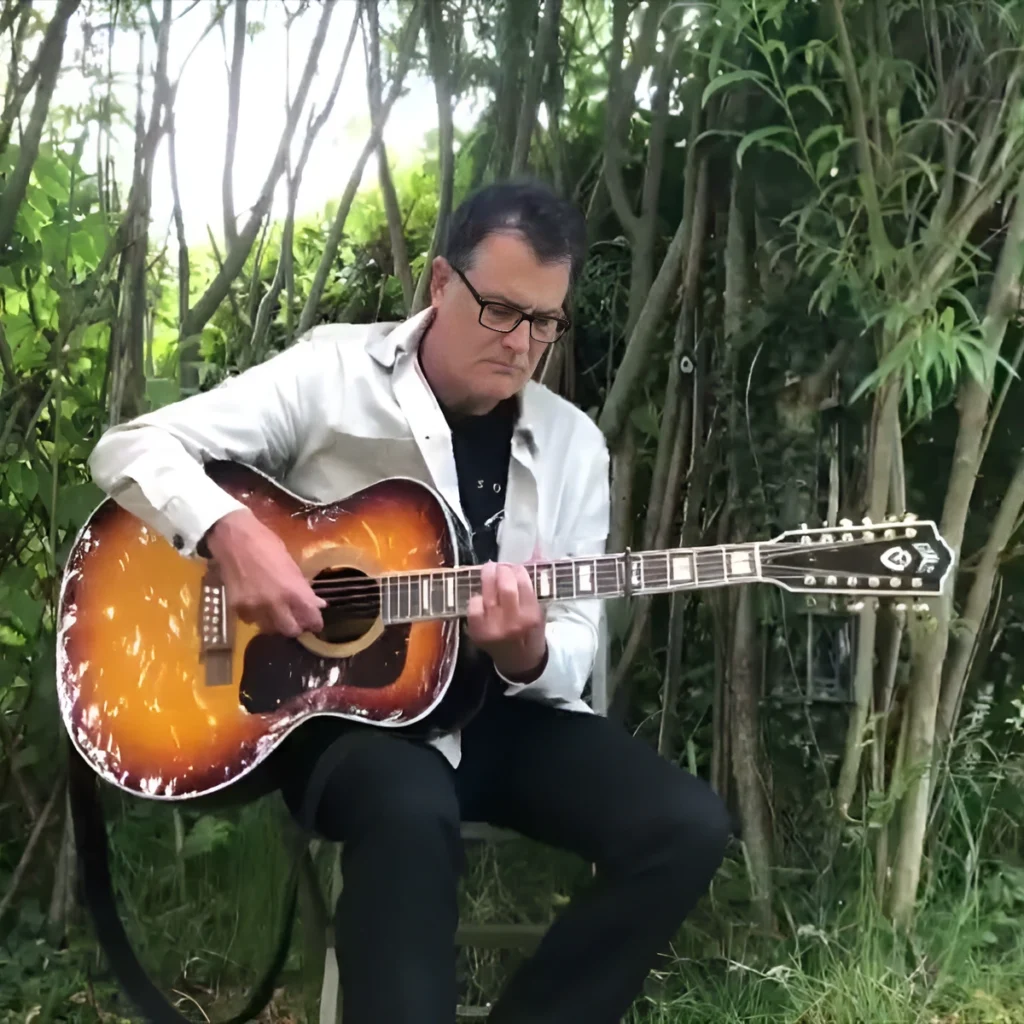
Ian Roland Plays a Twelve-String, and the Line Runs Back to Lead Belly
How a Blues Instrument Ended up at the Centre of English Roots-Pop Songwriting
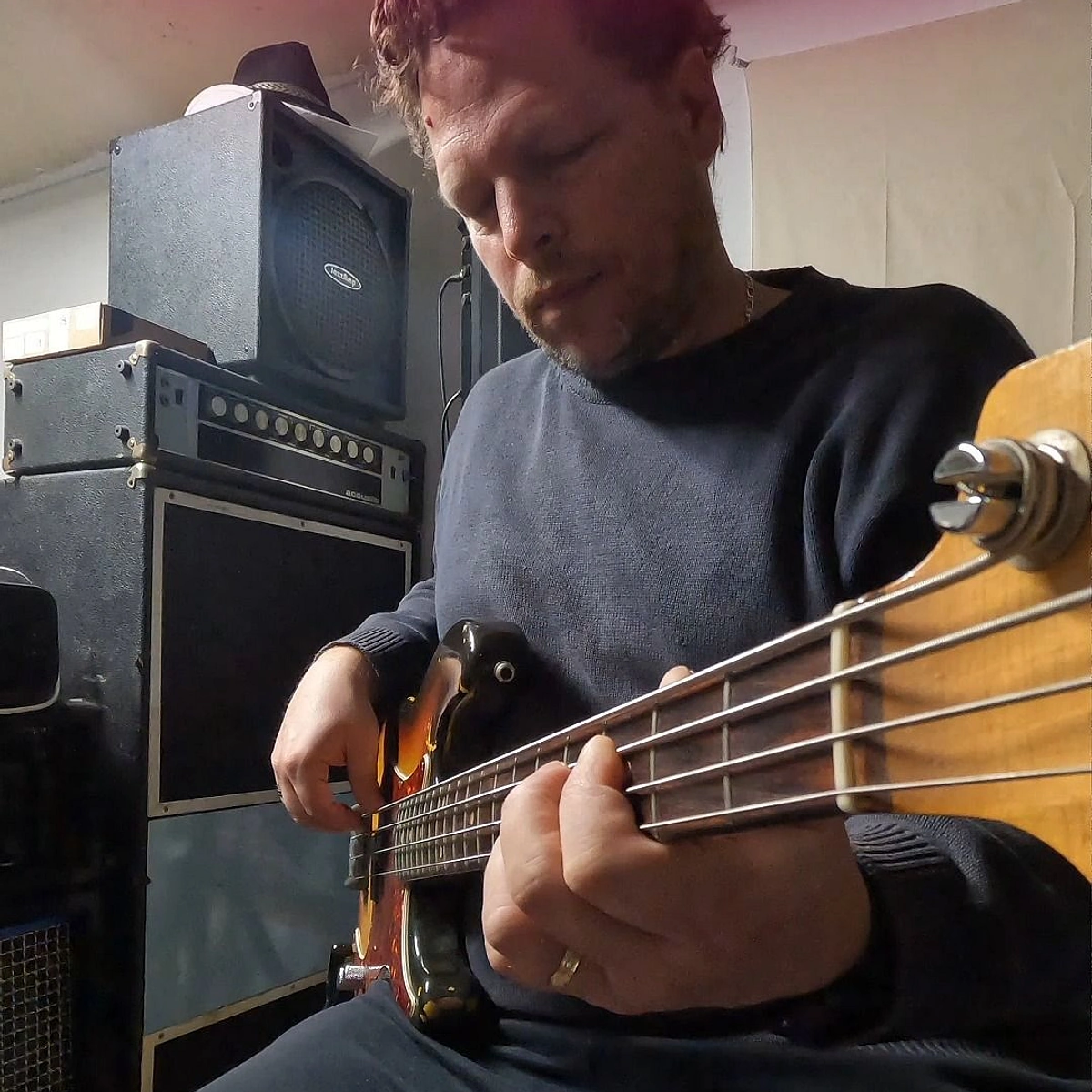
Start with the instrument, because the instrument is the story. Ian Roland writes around the sound of a twelve-string guitar. He says so himself: melodically driven songs built on that sound, then opened out into warm, full-band arrangements. 20 Breaths of Love Per Minute arrived in November 2025 and runs three minutes and fifty-six seconds. What carries it is six pairs of strings ringing slightly out of step with each other.
Ian Roland’s catalogue is in the playlist below, and every piece this fleet has run about him is gathered on his artist profile. 20 Breaths of Love Per Minute reached this desk through PopHits.Co Music Charts, which verifies independent artists and places their releases across its network of music news titles. Press play, then read on.

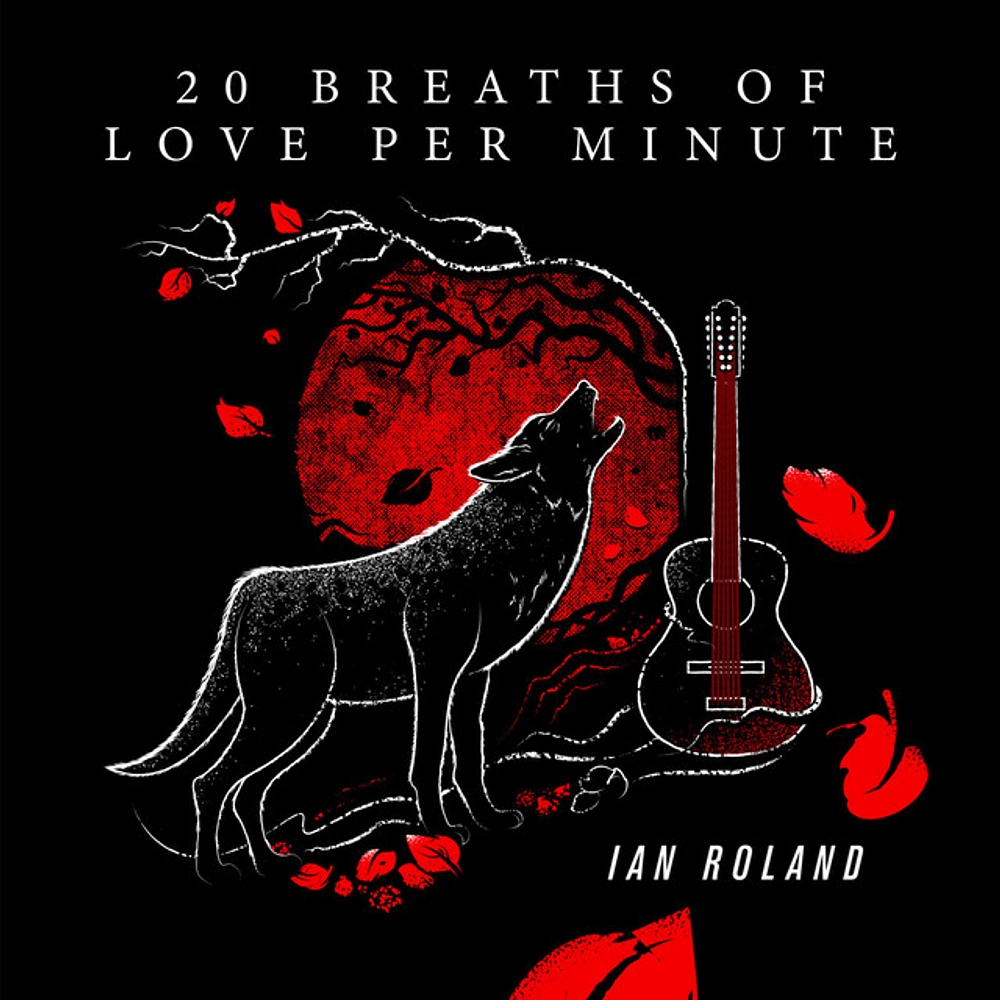
The Wave: Where Ian Roland’s Twelve-String Came From
That doubled ring did not enter popular music through folk clubs. It came through Lead Belly, the Louisiana songster born Huddie Ledbetter, who played a twelve-string almost exclusively across a career running from 1903 to his death in 1949. He worked in blues, folk and gospel at once. The standards he carried into the wider repertoire are still in it: Goodnight, Irene, Midnight Special, Cotton Fields, In the Pines, Black Betty.
The instrument suited what he was doing. A twelve-string is loud without amplification and it sustains. One player can therefore hold a room with no band behind him. That is a practical answer to a working musician’s problem, and it produced a specific sound. The chord shimmers, because the paired strings never quite agree.

From the Blues Repertoire to the Folk Revival
Everything downstream inherited that shimmer. The 1960s revival picked the instrument up wholesale, and Richie Havens carried it furthest. He played open-tuned twelve-string with his thumb over the neck fretting the bass notes, which turned a rhythm instrument into a complete arrangement.
From there the sound moved into English songwriting. There it has been used less as a blues instrument and more as a bed for melody. Roland is working in that later part of the line, and he is explicit about the debt in the way he builds a song: the guitar first, the band afterwards.

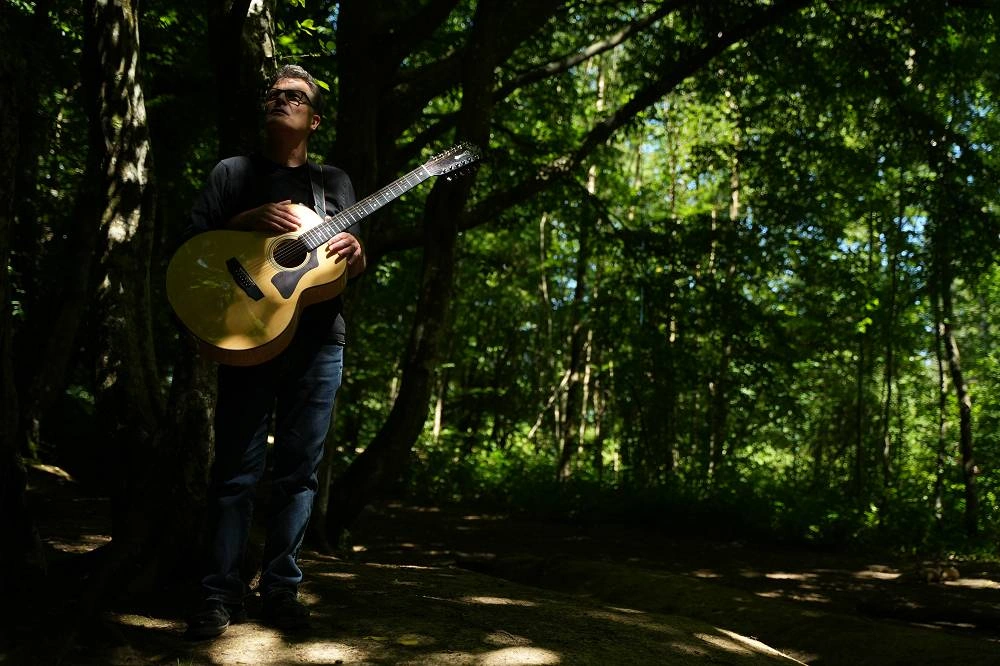
Where Ian Roland Sits and Who to Play Him Next To
Roland is based in Brighton and has been releasing steadily for years. The 2023 album The Wood Wide Web drew the widest notice. It runs eleven tracks about the relationship between people and the natural world, with orchestration by his collaborator Simon Yapp. Plastic Magazine called it a thought-provoking take on contemporary folk. Mesmerized described the record as navigating acoustic folk and mellow pop, with guitars, light drums and a violin in slow-paced arrangements.
The singles since have kept that pace. Living in Sound and Lodestone came in 2024. Then Craving, Hang On To You and Some Way of Life through 2025, 20 Breaths of Love Per Minute that November, and Virtually Free, The Real Thing and Boxing Gloves across 2026. That is nine releases in a little over two years, all built on the same instrument.
The Quietest One in the Run
20 Breaths of Love Per Minute is also the most exposed. Mesmerized called it a romantic, elegant piece steeped in malleable melodies and bright flair. The French outlet Extravafrench read it as a ballad suspended between folk roots, human breath and the contemplation of trees, where each breath becomes a declaration of love. Both descriptions circle the same thing. The song stays close to the guitar, and the arrangement grows only when it has to.
Roland’s own summary of his sound is a list of names rather than a genre. He describes it as Paul Simon plus Eddi Reader plus Paul Heaton at an Elbow gig with The National. That is unusually honest for a self-description, and it locates the record accurately: melody first, plain language, an arrangement that expands and contracts around the vocal.
For anyone tracing the adjacent shelf, the useful comparisons run backwards rather than sideways. Lead Belly is the origin point, the player who made the twelve-string a solo instrument. Richie Havens is the bridge, the one who carried it out of the blues repertoire without losing the rhythmic drive that made it work. Paul Simon is the destination Roland names himself, the songwriter who put that guitar tradition under conversational lyrics and close-harmony arrangements. Roland is not claiming any of their ground. He is playing the instrument they made useful.
That is the argument for revisiting a catalogue track ten months after release. A song built on an instrument with this much history behind it does not date in a release cycle. It sits in a lineage, and lineages move slowly.
Where to Hear Ian Roland and 20 Breaths of Love Per Minute
Stream the single on Spotify, and browse the catalogue on Bandcamp, where every release is available directly from the artist.
The videos live on his YouTube channel. For studio and gig updates, follow him on Instagram and Facebook. The full discography, press and tour dates sit on his official site.












About The Author





More Stories
The Line From Port Harcourt to Holy Ghost, Where D.A BIZ Sets a Prayer to Afrobeat
Why Eyes Closed by STARNAMEDSUN Still Matters to the Lineage of Dark R&B
Ray & Beats: How Highlife Storytelling Built Yaw Ray’s Late-Night R&B